Skip to content

Specializing in products for lymphatic, vascular disorders, and soft tissue injuries

1.800.876.3563

559 East High Street, Suite #1
Pottstown, PA 19464
Fax: 1.800.908.3554

Accredited by the Joint Commission on Accreditation of Healthcare Organizations

JCAHO accreditation gold seal

Management and Treatment Program for Lymphedema

Tip of the Week

Amy Likens, certified lymphedema therapist

Amy’s page: A certified lymphedema therapist’s thoughts on lymphedema

Winter can be especially tough on skin affected by lymphedema. Cold air, low humidity, and heavy clothing can increase the risk of dryness, cracking, and infection. Here are practical, lymphedema-specific tips to help protect the skin during colder months.

Things to do

  1. Moisturize strategically and consistently.
  2. Protect skin from cold and wind.
  3. Be gentle with bathing and handwashing.
  4. Prevent cracks, cuts, and infections.
  5. Practice good compression care in winter and make sure garments fit well.
  6. Stay hydrated and nourished.
  7. Avoid common winter skin triggers such as heating pads, hot water bottles, and scratching dry areas.

Amy Likens, CLT

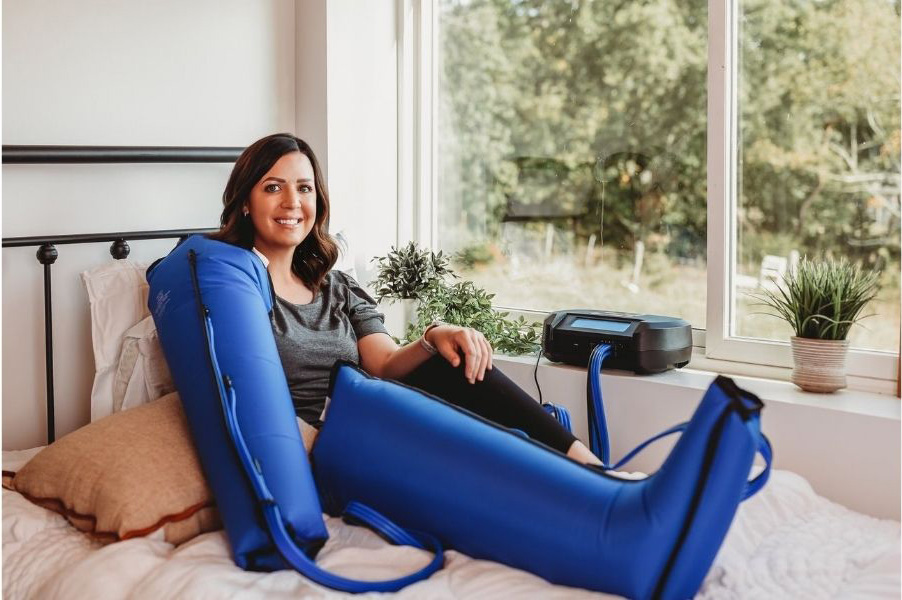
We recommend that some patients elevate their feet while resting. Raising the foot of the bed slightly may help support lymph drainage better than placing loose pillows under the legs, which can shift during the night.

Skin and nail care reminders

Meticulous skin and nail care is important for lymphedema patients to reduce infection risk. Patients with lymphedema are at higher risk of infection because the skin barrier and lymphatic system are more vulnerable, and cellulitis is one of the most common complications.

  • Cleanse, dry, and moisturize skin daily with a low-pH or pH-balanced fragrance-free lotion.
  • Ensure garments, shoes, and clothing fit properly.
  • Perform daily skin inspections and use adaptive tools if needed.
  • Use bug spray when appropriate.
  • Avoid hot water on affected areas.
  • Use UV-protective clothing when outdoors.
  • Use an electric razor to reduce injury risk.
  • Wear gloves when gardening or doing outdoor work.
  • Clean and treat cuts, abrasions, or insect bites immediately and monitor them closely for infection.
  • Seek nail care from a podiatrist or qualified professional when possible.
  • Avoid injections or vaccinations in affected extremities when possible, except during medical emergencies.

Activity and exercise

Patients who have developed lymphedema can and should stay active. Appropriate physical activity can help support lymph flow, reduce swelling, improve fitness, and make normal daily activities easier to maintain.

Activities may need to be adjusted depending on the affected area. For example, tennis or golf may not be ideal for some patients with upper-extremity lymphedema, while activities that cause skin injury or repeated trauma to the legs may be poor choices for lower-extremity lymphedema.

If the affected limb hurts, feels strained, or increases in size during or after activity, the activity should be adjusted and reviewed with a lymphedema therapist or physician. Gradual progression, caution, and moderation are important.

Examples of beneficial activities

  • Swimming or water aerobics, while avoiding very hot water.
  • Walking with a normal gait while wearing the compression garment.
  • Easy biking, including recumbent biking for some lower-extremity cases.
  • Yoga, with strenuous poses modified or avoided when uncomfortable.

In general, exercise should be performed with the compression garment in place when recommended, intensity should be increased gradually, and the limb should be monitored for changes in size or shape.

Insurance and pump documentation reminders

Getting coverage for a lymphedema pump has become more difficult over time. Insurance companies, including Medicare, often review the prescribing doctor’s clinical records, so it is important that those records clearly document the patient’s lymphedema, symptoms, previous treatments, and compression garment use.

Even if a patient cannot tolerate compression stockings or wraps, the record should still show that they were tried or why they could not be used. Without that documentation, equipment may be denied.

Pump troubleshooting

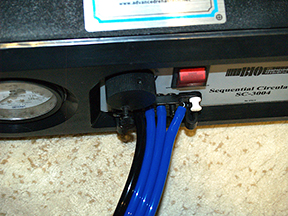
Compression pump with loose hose connection

If the boots or sleeves do not seem to be filling with air, the connector bar may have become dislodged. In many cases, it can simply be pushed back into place.

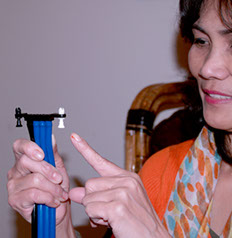
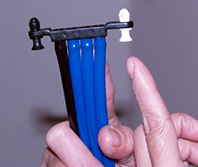
Compression pump hose connection repair example

Sometimes a hose comes off the connector nipple. If it cannot be reattached or the nipple has snapped off, a replacement connector bar may solve the issue.