Amy's page. A Certified Lymphedema Therapist's thoughts on Lymphedema
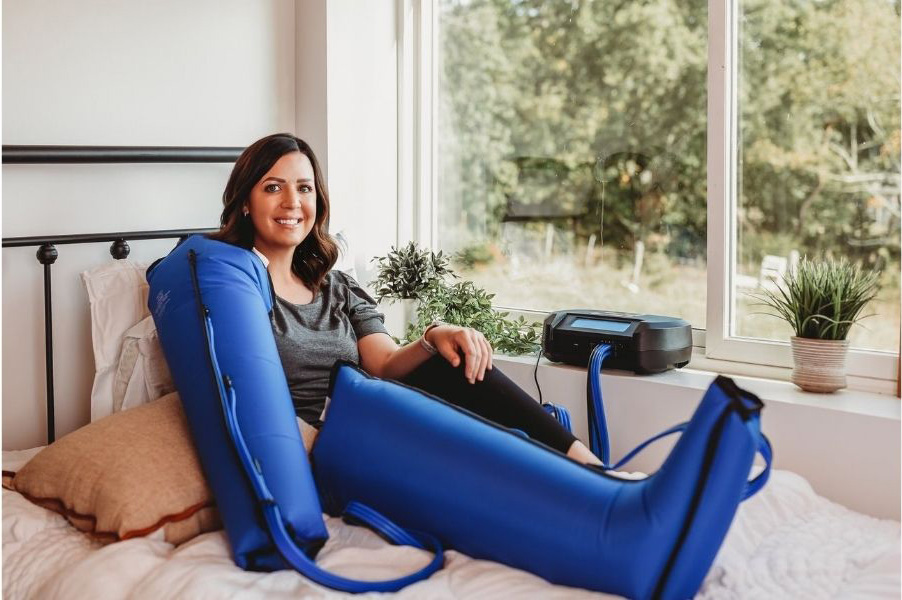
It is extremely important to keep your equipment clean. Never go into a boot or sleeve with bare skin. You will leave behind dead skin, perspiration stains, and drainage from wounds if you have them. All the material will ferment into a biological hazard. The next time you go in, if you have a small wound or scratch on your limb, it can allow transfer of that bacteria. The result will be Cellulitis. A very painful infection, which left unattended could become fatal. So, keep your equipment clean, and cover your limbs.
Winter can be especially tough on skin affected by lymphedema. Cold air, low humidity, and heavy clothing all
increase the risk of dryness, cracking, and infection. Here are practical, lymphedema-specific tips to keep your
skin protected through the colder months.
Things to do:
Moisturize—strategically and consistently
Protect skin from cold and wind
Be gentle with bathing and handwashing
Prevent cracks, cuts, and infections
Compression care in winter (Make sure garments fit well)
Stay hydrated and nourished
-
Avoid common winter skin triggers. No heating pads or hot water bottles on affected limbs. Avoid scratching dry areas.
Amy Likens, CLT
We recommend patients elevate their feet. While in bed, we tell patients to place a piece of a 2 X 4 under the foot post of their bed ( not a whole 8 ft piece. That is how they are sold here. ) . A red brick or patio paver also works. The foot of the bed is then higher than the headboard. So lymph drainage takes place.
Meticulous skin and nail care is imperative for lymphedema patients to minimize the risk of
infection. Patients with lymphedema are at a higher risk of developing infections due to
weakened skins barriers and lymphatic system. The most common infection is cellulitis.
Cellulitis a bacterial infection that occurs when streptococcus and/or staphylococcus
enter the skin throw a small opening. Listed below are tips can be utilized to lower the risk
of infection.
- Cleanse, dry and moisturize skin daily. Use a low pH or pH balanced lotion (fragrance free)
- Ensure that garments, shoes and clothing fit properly
- Perform daily skin inspections. Use adaptive equipment if needed. A skin inspection mirror can be fabricated with a magnifying mirror, dowel rod and duct tape.
- Use bug spray
- Avoid hot water
- Utilize UV protection clothing
- Use an electric razor
- Wear gloves when gardening or performing other outdoor work.
- Cleanse and treat cuts, abrasions, or insect bites immediately. Monitor closely for infection.
- Seek nail care from podiatrist or professional, if possible.
- Avoid injections or vaccinations in the affected extremities. In the event of a medical
emergency this may not be possible.